5 Signs Your Child Needs Counseling in Delaware
· Child Therapy · By The CCD Clinical Team · Clinically reviewed by Lisa R. Savage, LCSW
As a mom, you’re often the first to sense when something isn’t quite right with your child. While occasional mood swings and growing pains are normal, persistent changes in behavior, emotions, or social interaction can be early signs of a deeper issue. At the Center for Child Development (CCD), Delaware’s leading provider of school-based mental […]
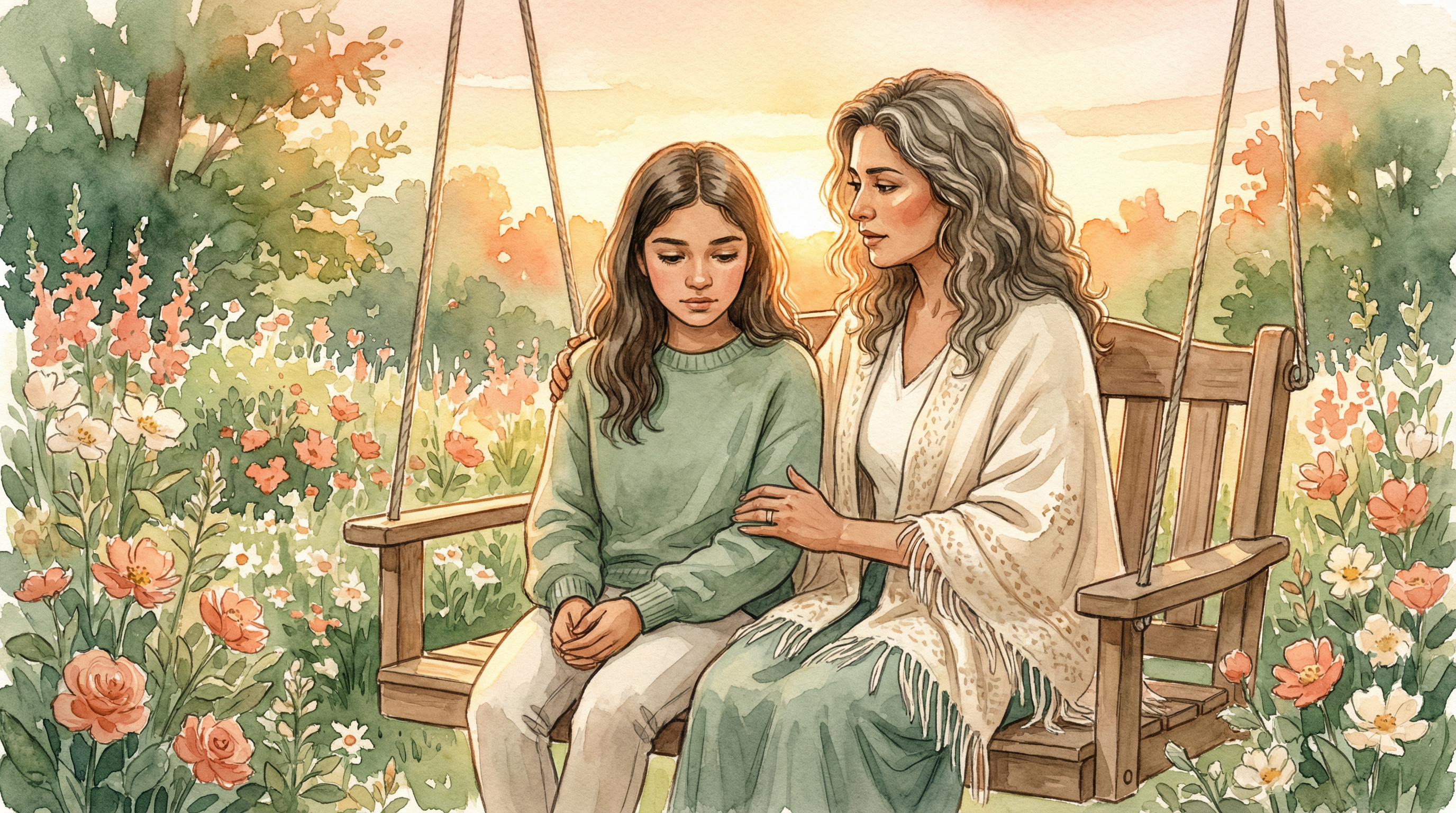
As a mom, you’re often the first to sense when something isn’t quite right with your child. While occasional mood swings and growing pains are normal, persistent changes in behavior, emotions, or social interaction can be early signs of a deeper issue. At the Center for Child Development (CCD), Delaware’s leading provider of school-based mental health services, we work with families every day to address these concerns with care and clinical expertise. With offices in Newark and Wilmington, and virtual sessions available statewide, we make support easy to access when your child needs it most.
Here are five signs that may indicate your child could benefit from therapy.
1. Sudden Changes in Mood or Behavior
If your child becomes unusually withdrawn, irritable, or unpredictable, it may signal emotional distress. A once-outgoing child may start avoiding friends, or a typically easygoing child may become more reactive or tearful. Changes in sleep, appetite, or energy can also be important indicators.
What You Can Do: Begin with curiosity, not confrontation. Try: “I noticed you haven’t been as excited to see your friends lately. Is something bothering you?” If these changes persist, reach out to one of our therapists in Newark or Wilmington for a professional consultation.
2. Constant Worry or Fear
Some level of anxiety is normal, especially during transitions. But if your child frequently worries about school, friendships, or routines—and those worries impact daily life—it may be time to seek help. Signs often include headaches, stomachaches, avoidance, or trouble sleeping.
What You Can Do: Acknowledge their stress. “It sounds like mornings have been feeling really hard lately. Want to tell me about it?” You can also explore relaxation tools like deep breathing and speak with a CCD therapist who specializes in child anxiety.
3. Challenges at School or With Peers
Struggles in school—whether academic, behavioral, or social—can be rooted in emotional issues. A drop in grades, increased visits to the nurse, or frequent conflicts with classmates are worth paying attention to.
What You Can Do: Check in with teachers for insights, then talk to your child using open-ended questions: “Your teacher mentioned you’ve been feeling a little off lately. Want to talk?” If the issues continue, our therapists can work collaboratively with families and schools to support your child’s well-being.
4. Avoiding Family Time or Favorite Activities
Children who suddenly lose interest in the things they once enjoyed—like family outings, hobbies, or playtime—may be coping with feelings they don’t know how to express. This type of withdrawal can be a sign of sadness, anxiety, or low self-esteem.
What You Can Do: Invite connection gently. Offer time together without pressure, such as a shared meal or walk in a local Delaware park. Let them know you’re there whenever they’re ready to talk. If the withdrawal continues, consider counseling support through CCD.
5. Talking About Feeling Hopeless or “Not Good Enough”
If your child says things like “I can’t do anything right” or “Nobody likes me,” it’s important not to dismiss these statements. These may reflect struggles with self-worth or early signs of depression.
What You Can Do: Offer reassurance and stay calm. “I’m really sorry you’re feeling this way. You’re not alone, and we’ll get through this together.” Early support from a therapist can be incredibly effective in helping kids build confidence and emotional resilience.
How to Start the Conversation About Therapy
- Choose a Quiet Time: Bring it up during a relaxed moment—like after dinner or on a quiet drive.
- Use Reassuring Language: For younger children, say, “A counselor is someone who helps us talk about feelings and feel better.” For older kids, you might say, “Sometimes it helps to have someone outside the family to talk to.”
- Normalize the Process: Mention that many people—kids and adults—talk to counselors when they need extra support.
- Offer Choices: Let them know CCD offers both in-person sessions (in Newark and Wilmington) and virtual therapy, so they can decide what feels right.
Why Early Support Matters
Addressing concerns early can help prevent more serious issues later. Therapy can teach children how to manage big emotions, build self-awareness, and strengthen their relationships with others. At CCD, we’ve helped thousands of Delaware families find the support they need—through individual child therapy, family sessions, and school-based mental health services.
Let’s Talk—We’re Here to Help
If your child is showing signs of emotional distress, trust your instincts and reach out. The earlier you seek help, the better the outcomes tend to be. At the Center for Child Development, our licensed therapists provide compassionate, individualized care that meets children where they are—emotionally and geographically.
📍 Serving Newark, Wilmington, and surrounding areas
💻 Virtual therapy available throughout Delaware
📞 Contact us today to schedule a consultation. Your child’s emotional well-being is worth it.