Adolescent Anxiety Treatments That Works
· Teen Mental Health · By The CCD Clinical Team · Clinically reviewed by Lisa R. Savage, LCSW
Recognizing the Signs and Symptoms of Adolescent Anxiety Getting to grips with a teenager’s internal struggles can sometimes feel like a bewildering journey, but recognizing the signs and symptoms is the first crucial step to help them navigate through anxiety. You may notice they have recurring fears or worries about day-to-day activities, experience irritability, […]

Anxious Teen
Recognizing the Signs and Symptoms of Adolescent Anxiety
Getting to grips with a teenager’s internal struggles can sometimes feel like a bewildering journey, but recognizing the signs and symptoms is the first crucial step to help them navigate through anxiety. You may notice they have recurring fears or worries about day-to-day activities, experience irritability, struggle to concentrate, or show acute self-consciousness. Teenagers might pull back from social interactions or dodge new and challenging situations. It’s not unusual to witness physical manifestations like stomach aches or headaches. Declining grades or an outright refusal to attend school can also be telling indicators, as well as reaching out for reassurance repeatedly. When sleep problems or substance use come into play, it’s particularly alarming. Keep an eye out for these signs; they’re a cry for help in an often silent battle with anxiety.
Click here to see an infographic on teen anxiety symptoms.
Understanding What Triggers Anxiety in Adolescents
Anxiety in teens can feel overwhelming, with many factors contributing to their distress. Understanding these triggers can help. Common causes include school stress, social pressures, and high expectations from themselves, friends, or parents. Peer pressure and social media can also harm their self-esteem, making them feel like they’re not enough.
Genetics can play a role, too—if anxiety runs in the family, they may be more prone to it. Big life changes, like a divorce or losing a loved one, can worsen things. Even everyday shifts, like moving to a new school or going through puberty, can trigger anxiety. The best way to support them is to recognize these triggers and create a safe, understanding environment.
Teens to Overcome Anxiety
Teen anxiety can feel overwhelming, but small, every day habits can help. Regular exercise—like sports, dancing, or even a quick walk—boosts mood and relieves stress. Eating nutritious meals, staying hydrated, and limiting caffeine can also keep anxiety in check.
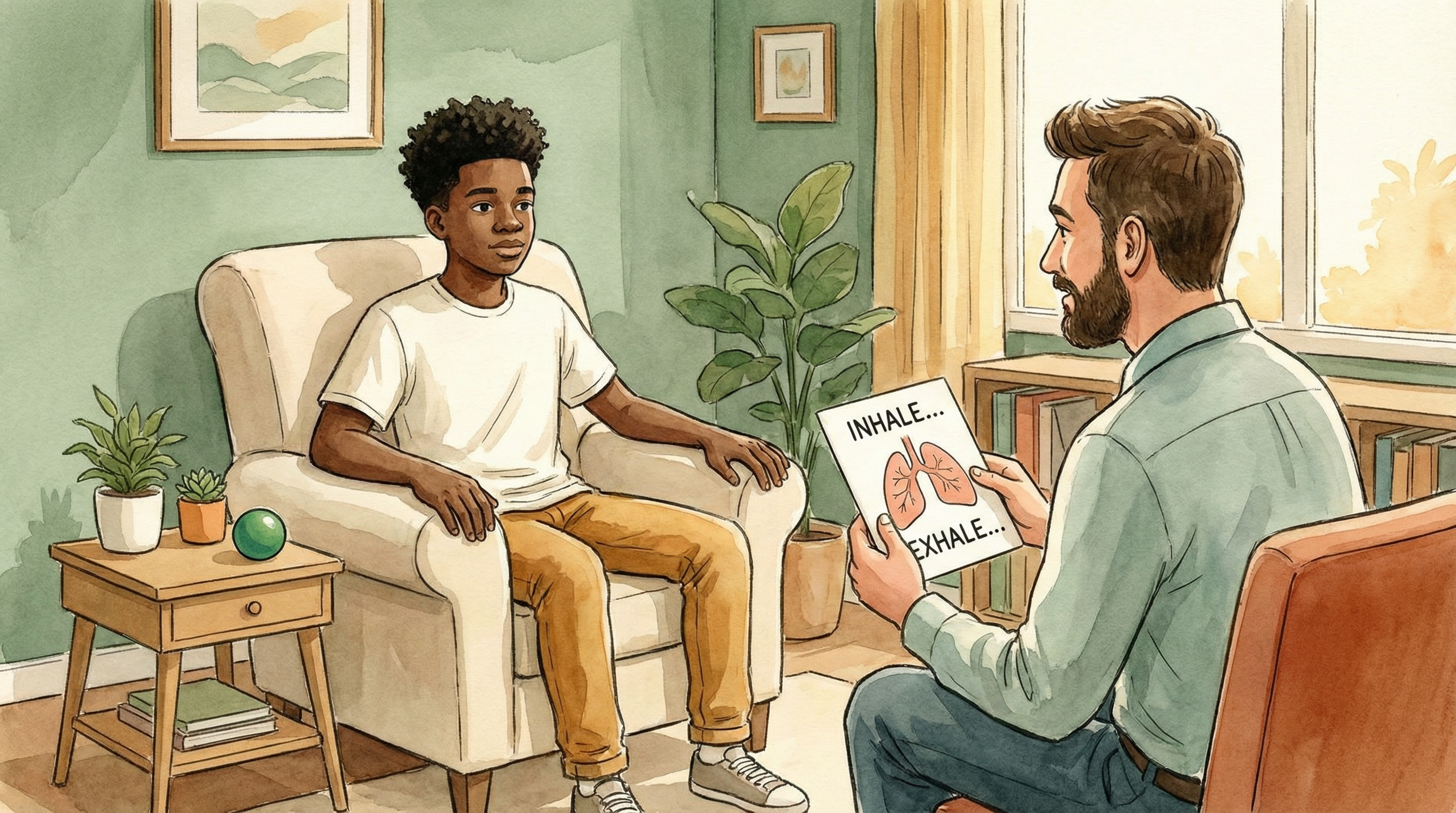
Getting enough sleep is key since tiredness can make worries feel bigger. Encourage mindfulness or meditation to help them stay present. Simple breathing exercises, like inhaling for 4 seconds, holding for 7, and exhaling for 8, can quickly calm nerves. Lastly, taking breaks from screens—especially before bedtime—can improve sleep and reduce stress.
The Role of Family and Friends in Teen Anxiety Support
How Parents Can Provide Emotional Backing for Anxious Teens
Supporting an Anxious Teen
Parents play a key role in helping anxious teens feel supported. Start by acknowledging their feelings without judgment. Instead of asking too many questions, give them space to talk and truly listen.
Make time for daily, distraction-free conversations—no phones, no TV—so they know you’re there for them. Create an environment where they feel safe sharing their worries. Show love and understanding while gently encouraging them to face their fears step by step. Your response to stress sets an example, so practicing healthy coping strategies is important.
Building a Support System
A strong support system acts as a safety net for anxious teens. This can include family, friends, teachers, coaches, or mental health professionals. Encourage open communication and help these individuals understand how to offer support.
Friendships are essential, so motivate your teen to stay socially connected. Group activities can create a sense of belonging, and peer support groups may feel more comfortable than talking to adults. Every person in their support system offers something valuable, working together to help your teen build confidence and resilience.

Professional Help: When to Seek It and What to Expect
Warning Signs That Indicate a Need for Professional Help
Recognizing when a teenager’s anxiety has crossed a threshold and requires professional help is a significant and sometimes difficult task. It’s critical to be vigilant for warning signs that suggest their anxiety is not just the usual ups and downs of adolescence. Watch for sudden, drastic behavioral changes, like withdrawing from friends and family or dropping out of activities they used to love. If they’re exhibiting extreme mood swings, are unable to handle daily routines, or show a persistent decline in academic performance, these could be red flags.
Physical health often correlates with mental health, so keep an eye out for signs like persistent insomnia, dramatic weight loss or gain, or unexplained aches and pains. Perhaps the most urgent signs are expressions of self-harm or suicidal thoughts. If they utter statements about harming themselves or having no reason to live, immediate professional help is needed. Always take such comments seriously and act promptly.
Exploring Therapy and Medication for Adolescent Anxiety
Understanding treatment options can help you make informed choices for your teen. Therapy provides a safe space to manage anxiety, with cognitive-behavioral therapy (CBT) being especially effective. CBT helps teens recognize and change negative thought patterns. Family therapy can also strengthen communication and support at home.
Medication should be considered carefully with a doctor’s guidance. Selective Serotonin Reuptake Inhibitors (SSRIs) are commonly prescribed, but each teen responds differently. It’s important to monitor side effects and follow dosage instructions.
Medication often works best alongside therapy and healthy lifestyle changes. Always consult a healthcare professional before starting or adjusting treatment, and encourage open conversations between your teen and their doctor.
Adolescent Anxiety: Building Resilience and Coping Skills
Helping kids develop resilience early can prepare them to handle stress later in life. Teach problem-solving by letting them find solutions with guidance rather than the answers. Encourage setting realistic goals and taking small steps to achieve them, reinforcing patience and persistence.
Celebrate efforts, not just results, to boost their confidence. Help them name and express emotions in healthy ways. When challenges arise, remind them of past difficulties they’ve overcome to build self-trust and resilience.
Encouraging Healthy Habits and Social Connections
Good habits can help prevent anxiety. A nutritious diet supports brain health, while regular exercise releases mood-boosting endorphins. Getting enough sleep is also key for mental well-being.
Positive social interactions matter, too. Encourage teens to spend time with supportive friends and family. Teach them to recognize healthy relationships and step away from toxic ones. Community service or group events can create a sense of purpose and belonging.
Social media isn’t all bad, but it should be used mindfully. Help teens balance online and real-life connections to maintain a strong support system.
5 Daily Habits for Mental Well-Being
- Get at least 8 hours of sleep.
- Eat balanced meals and stay hydrated.
- Move your body—exercise, dance, or take a walk.
- Spend time with positive, supportive people.
- Take breaks from screens and practice mindfulness.
Grab a copy of an anxiety workbook created especially for teens: https://thecenterforchilddevelopment.com/product/anxiety-warriorsworkbook/
FAQ: Your Questions Answered
How Is Anxiety in Teenagers Diagnosed?
Anxiety in teenagers is diagnosed through a thorough evaluation by a healthcare professional. This starts with a conversation about the teen’s symptoms, feelings, and behaviors. They may also use questionnaires or psychological tests to assess anxiety levels. It’s important to rule out any physical health issues that could be causing the symptoms so that a physical exam might be necessary. A comprehensive assessment involves input from the teen, parents, and sometimes teachers to understand how anxiety affects different areas of the teen’s life. Regular dialogue and monitoring over time assist in clarifying the diagnosis and guiding appropriate treatment.
Can Teen Anxiety Be Prevented?
Anxiety in teens can’t always be avoided, but creating a supportive environment can help reduce its impact. Encouraging open communication, teaching stress management, and promoting healthy habits can make a big difference. While these steps won’t eliminate anxiety, they can help teens handle challenges more effectively and prevent anxiety from becoming overwhelming.
What Are the Best Treatments for Teen Anxiety?
The most effective treatments for teen anxiety often include cognitive-behavioral therapy (CBT) and, in some cases, medication like selective serotonin reuptake inhibitors (SSRIs). CBT helps teens recognize and manage anxious thoughts and behaviors. For severe anxiety, SSRIs can ease symptoms, making therapy more effective.
Other therapies, such as dialectical behavior therapy (DBT), family therapy, and EMDR, may also help. The right treatment depends on the teen’s needs, so working with a healthcare provider to create a personalized plan is important.
When Should Teens Get Help for Anxiety?
Teens should seek help if anxiety disrupts their daily lives—affecting school, friendships, or family relationships. Signs include frequent stomachaches, headaches, mood swings, isolation, trouble sleeping, appetite changes, or feelings of hopelessness. If they mention self-harm or suicidal thoughts, seek professional help immediately.
CCD has teen anxiety specialists. Please click here to complete new client paperwork and get your child the needed help.