Anxiety Proofing Your Child–Strategies for Parents
· Anxiety · By The CCD Clinical Team · Clinically reviewed by Lisa R. Savage, LCSW
Many of us hear the common refrain, “Oh, they’ll grow out of it,” when our children become anxious. Thinking of these symptoms as being shy or overwhelmed with new experiences is tempting. Yet, as parents, we know in our hearts that childhood anxiety is not something to brush aside. It’s a genuine struggle that […]
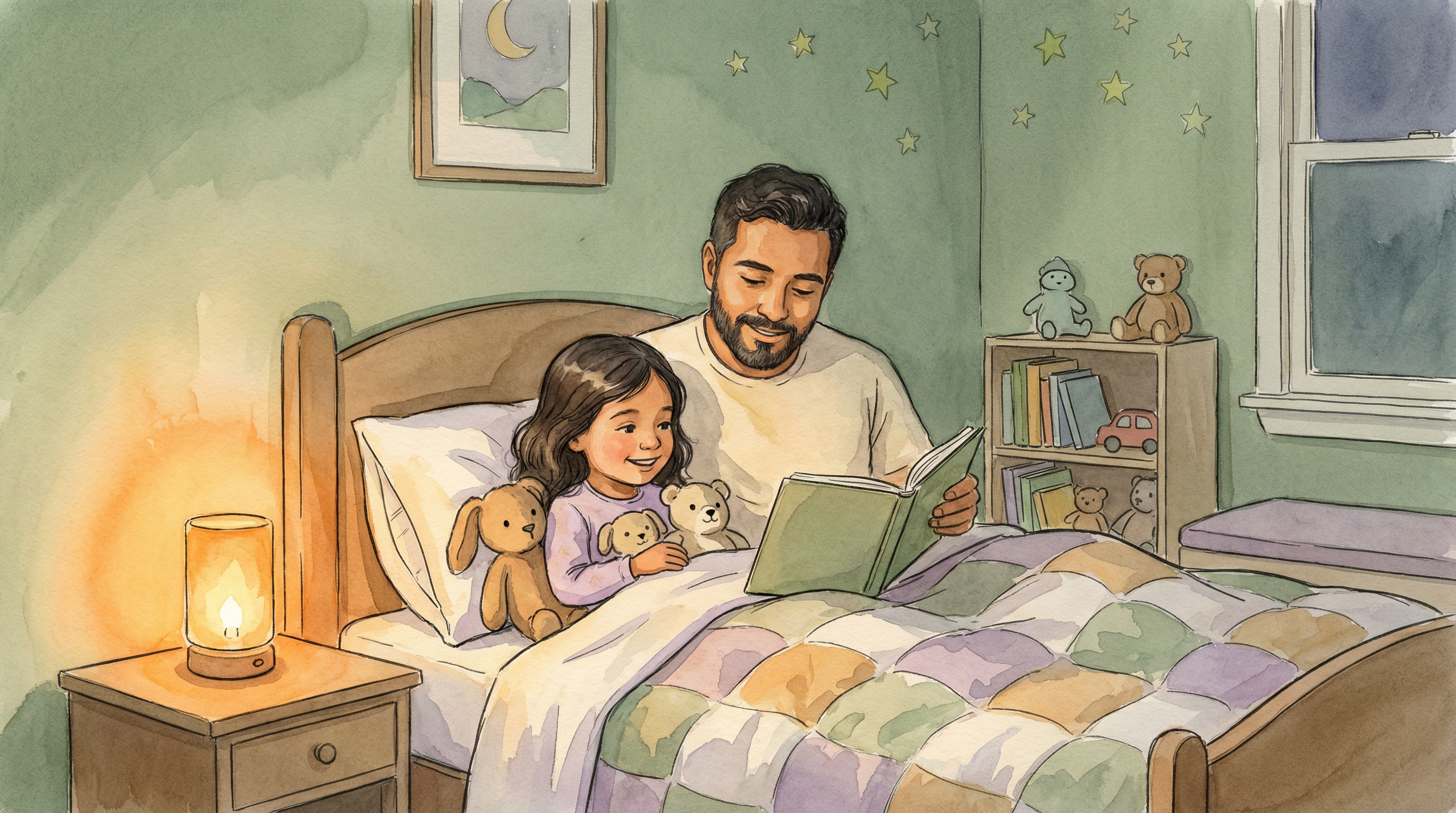

Many of us hear the common refrain, “Oh, they’ll grow out of it,” when our children become anxious. Thinking of these symptoms as being shy or overwhelmed with new experiences is tempting. Yet, as parents, we know in our hearts that childhood anxiety is not something to brush aside. It’s a genuine struggle that we all bear on our shoulders, and if we don’t acknowledge its full weight, we may be doing our child more harm than we know. Childhood anxiety can be treated.
So, what does childhood anxiety look like? How, as parents, should we recognize it and guide our children through it in the kindest way possible?
What Is Childhood Anxiety?
Childhood anxiety is NOT just the jitters before a big event or a bit of hesitation about meeting people. It is the persistent, all-encompassing sense of worry or fear that complicates the tasks of everyday life. For children, these fears can focus on being separated from their parents, attending school, or even participating in activities they once enjoyed. Anxiety doesn’t just go away on its own without support, and it’s our responsibility as parents to provide that support.
Signs of Anxiety in Children
To appropriately assist, you need to recognize the symptoms of anxiety. Anxiety can look different from kid to kid, but typical signs fall into three categories: physical, emotional, and behavioral.
Physical Signs
Repeated stomachaches or headaches without a medical cause.
Notice sweaty palms, a rapid heart rate, or shaking hands.
Disturbance of sleep or reports of bad dreams
Emotional Signs
Persistent danger, real or imagined, that causes extreme anxiety.
Tendency to be irritable or cry easily over small things.
Struggle with resting your body or mind.
Behavioral Signs
Steer clear of people or things they used to enjoy.
So clingy, he wouldn’t let his parents out of his sight.
Struggle with transitions to new environments, such as when entering school or going to a new location.
Myths About Childhood Anxiety and Other Related Topics
There are numerous misconceptions about childhood anxiety, and many of these myths can complicate parents’ understanding of when and how to intervene.
One of the biggest myths is that children will “just grow out of’ anxiety. And while some children are afraid of certain things and get used to them over time, untreated anxiety tends not to fade — it only intensifies. The longer it lingers, the more intense it becomes and the more difficult it is to manage as an adult.
Shyness and Anxiety: What’s the Difference?
It’s also easy to conflate shyness with anxiety. While shyness is a personality trait and can manifest as discomfort in a new person or situation, anxiety goes further, creating an all-pervasive, overwhelming sense of worry that a child may be unable to enjoy their life. Anxiety, unlike shyness, can interfere with day-to-day life and be very distressing.
THE IMPACT OF ANXIETY ON A CHILD’S DEVELOPMENT
Anxiety permeates many places in a child’s life, not just what you see. It affects their capacity to make friends, learn, and develop into confident individuals.
Effects on Social Skills and Friendships
Anxious children may struggle to make and keep friends. They may feel too nervous to engage with peers, leading to isolation. Friendships are important for a child’s self-esteem and social development, and anxiety can interfere with them.
Impact on Learning and Education
Anxiety can also interfere with a child’s ability to concentrate and retain information. The classroom can become a challenging environment where anxious thoughts overpower the ability to focus on lessons or complete tasks.
The Ripple Effect on Self-Esteem
If a child has ongoing struggles with anxiety without professional support, it can hurt their self-esteem. They may start believing they cannot handle certain situations, leading to a sense of inadequacy.
Early Intervention: The Key to Helping Your Child Thrive
The good news is that anxiety doesn’t have to define a child’s life. Early intervention can be incredibly effective in addressing anxiety before it becomes a larger issue.
Why Early Intervention Matters
Addressing anxiety early allows children to develop healthy coping skills that they can carry into adulthood. The earlier we step in, the easier it is for them to learn how to navigate their emotions.
The Benefits of Addressing Anxiety Early
Emotional Resilience
Children learn that emotions are manageable and develop the tools to cope with stress.
Improved Relationships
When anxiety decreases, children are more confident in social engagement, which helps them develop stronger, healthier friendships.
Better Academic Performance
A calm, focused mind can absorb and retain information better, leading to improved performance in school.
Recognizing the Signs: Is Your Child Anxious?
It’s important to pay attention to the subtle shifts in your child’s behavior that may indicate anxiety.
Behavioral Red Flags to Look For
Look for avoidance behaviors—such as refusing to go to school, reluctance to engage in activities, or clinging to familiar routines. These are often tell-tale signs of anxiety.
Changes in Enjoyment of Activities
If your child used to love playing soccer but now avoids practices, or if they once loved going to birthday parties but now feel overwhelmed at the thought, these can be indicators of anxiety.
Difficulty with Transitions and Saying Goodbye
Does your child have a particularly hard time with goodbyes, even in situations where you know they will be safe and have fun? Difficulty with change can also be a sign of underlying anxiety.
Strategies for Parents
So, how can we help our children navigate through anxiety in a healthy, supportive way?
Creating a Safe and Supportive Environment
Listening Without Judgment
The first step is to listen. Let your child express their worries without dismissing or minimizing them. Sometimes, just feeling heard can reduce their anxiety significantly.
Validating Their Feelings
Acknowledge their fears, even if they seem trivial. Let them know it’s okay to feel scared and you are there to help.
Encouraging Gradual Exposure to Anxiety Triggers
Gradual exposure is one of the most effective ways to help a child overcome anxiety. Start small and gently encourage your child to face their fears.
Teaching Coping Mechanisms
Deep Breathing Techniques
Teach your child deep breathing exercises to help calm their nervous system. Slow, deep breaths can bring their anxiety down to a manageable level.
Positive Affirmations
Encourage your child to repeat positive statements like, “I can do this,” or “I am safe.” These affirmations help them replace negative thoughts with more positive, empowering ones.
When to Seek Professional Help
Sometimes, anxiety requires more than parental support. It’s important to know when to seek help from a professional.
Signs It’s Time to Consult a Professional
If anxiety is interfering significantly with your child’s daily life, it may be time to seek help from a mental health professional. Signs include prolonged sadness, difficulty participating in regular activities, and any self-harming behaviors.
Types of Therapy for Childhood Anxiety
Cognitive Behavioral Therapy (CBT) is one of the most effective therapies for childhood anxiety. CBT helps children identify their anxious thoughts and develop skills for managing them.
The Power of Parental Support
Parental involvement is a powerful tool in helping children manage anxiety.
How Parents Can Make a Difference
When parents stay actively involved, children feel more supported and capable. Modeling healthy and positive responses to stress helps reinforce a child’s ability to do the same.
Children learn by watching. They will likely adopt similar behaviors if they see you manage stress calmly. It’s okay to show emotions, but demonstrating how to handle them constructively can teach them valuable life skills.
Helping Your Child Face Life Without Anxiety
Childhood anxiety is overwhelming—not just for the child but also for the parents. Early recognition of childhood anxiety is essential. Help children feel heard and safe through patient intervention and professional guidance, enabling them to explore confidently and build a healthier future.
FAQs About Childhood Anxiety
Can a child grow out of anxiety on their own?
While some children may adapt to situations over time, most benefit from support and learning coping skills to manage anxiety effectively.
What are some natural ways to help my child with anxiety?
Natural methods include deep breathing exercises, mindfulness practices, regular physical activity, and establishing a supportive routine at home.
How can I tell if my child’s anxiety is severe enough for professional help?
If anxiety is affecting your child’s ability to participate in everyday activities and maintain friendships or is causing extreme distress, seeking professional guidance is a good idea.
Is it normal for children to have separation anxiety?
Yes, especially in younger children, separation anxiety is quite normal. However, it might be worth seeking support if it continues past the expected developmental stage or becomes overwhelming.
How can I support my child during anxiety-inducing situations?
Prepare them by discussing what to expect, be present to offer comfort, and remind them of the coping techniques they’ve learned to help manage their fears.
At the Center for Child Development, our therapists are experts in helping kids learn better coping skills. We know what it’s like to be a parent concerned about a child’s anxiety. If you’re worried about your anxiety or your child, give us a call. We’re here when you need us the most.
You can also visit our shop, where we have resources for children and parents that can be used along with therapy to help reinforce their skills. Check it out here: http://www.ccddelaware.com/shop.
You can learn more about childhood anxiety by visiting this site: http://www.childmindinstitute.org