High-Functioning Depression in Teens: Warning Signs
· Mental Health · By The CCD Clinical Team · Clinically reviewed by Lisa R. Savage, LCSW
Your daughter is on the honor roll. Your son made varsity. From the outside, everything looks perfect. So why do they seem so… empty? Depression doesn’t always look the way people expect. Many teens and young adults do well in school, sports, jobs, and social situations, even as they quietly struggle with depression. This is […]
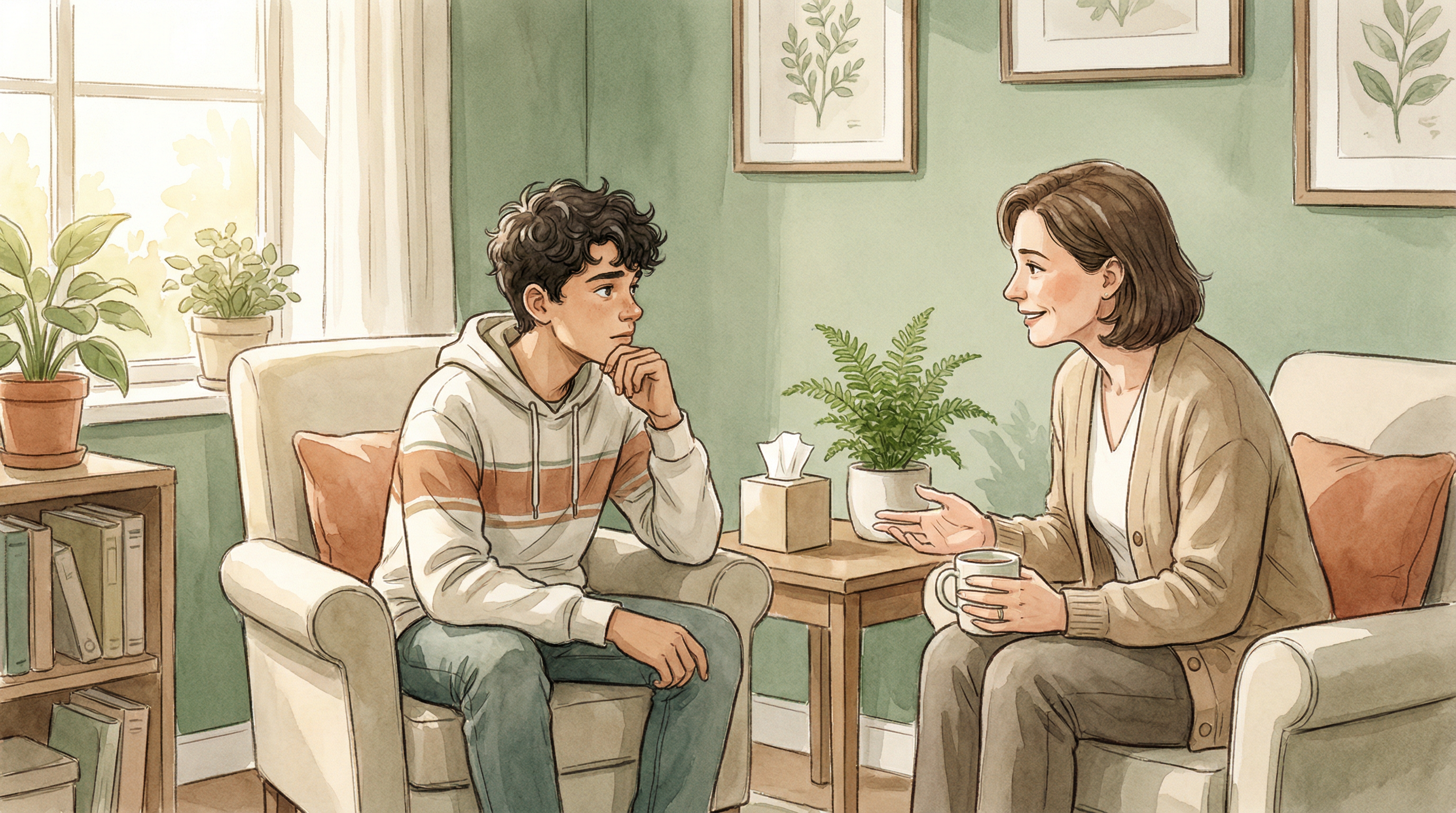
Your daughter is on the honor roll. Your son made varsity. From the outside, everything looks perfect. So why do they seem so… empty?
Depression doesn’t always look the way people expect. Many teens and young adults do well in school, sports, jobs, and social situations, even as they quietly struggle with depression. This is often called high-functioning depression.
It’s important to know that ‘high-functioning depression’ is not an official medical term. Mental health professionals may use terms like persistent depressive disorder (dysthymia) or major depression. No matter what it’s called, the experience is real, painful, and treatable.
What Others See vs. What It Actually Feels Like
A teen may get good grades but stay up late with racing thoughts. A college student might attend every class and work shift, yet feel drained, numb, or hopeless inside. They might look fine on the outside, but inside, they’re struggling to keep going.
Examples you might recognize:
- A high school athlete who makes every practice but has lost interest in things that used to bring joy
- A young adult who laughs with friends but cries alone in their room
- A teen who completes every assignment on time but feels empty and disconnected from everyone around them
What it feels like for them:
It can feel like running a marathon every day and pretending you’re not tired. Or like always wearing a mask and acting okay, even when you’re exhausted. This is what high-functioning depression can feel like. Teens and young adults may:
- Put on a cheerful face in public, but collapse in private.
- Feel intense pressure to “keep it together” and not let anyone down.
- Wonder why life feels so heavy when they’re doing “all the right things”
- Feel like they’re drowning while everyone else thinks they’re swimming.
Why This Is Serious
Since the person is still doing well in daily life, adults often think everything is fine. Teachers notice the good grades, employers see strong work, and friends see social media updates. Parents might see moodiness or withdrawal and think it’s just normal teenage behavior.
The key point is that high-functioning depression is still depression. Even if someone seems to be managing, they may be struggling a lot inside. Getting help early can make a big difference and help prevent a crisis.
What Parents and Caregivers Can Do
Watch for small changes. Changes in sleep, appetite, or interest in activities can be signs of a problem. You might also notice more irritability, perfectionism, or a lack of emotion.
Listen without judgment. If your teen shares that they’re struggling, resist the urge to immediately “fix” it or minimize what they’re feeling. Sometimes they just need to be heard and believed.
Ask gentle, open questions. Instead of “What’s wrong with you?” try:
- “I’ve noticed you seem more tired lately—how are you really feeling?”
- “You’ve been quieter than usual. I’m here whenever you want to talk—no pressure.”
- “Is there anything on your mind that feels heavy?”
Reach out for professional help. A counselor or therapist who works with teens can give them tools to manage their feelings and remind them they are not alone.
What Teens and Young Adults Can Do for Themselves
Talk to someone you trust, like a parent, friend, teacher, school counselor, or therapist. Saying how you feel out loud can make it feel lighter. You don’t have to explain it perfectly; just begin the conversation.
Try making small changes. Taking short walks, keeping a regular sleep schedule, writing in a journal, or taking breaks from social media can all help. Every small step matters.
Remember, you are not alone in feeling this way. Many people have these feelings but keep them to themselves. What matters most is that your experience is real, and asking for help is a strong and positive choice.
You don’t have to keep pretending everything is okay. It’s all right not to be fine all the time. It’s safe to let your guard down with people you trust.
Moving Forward
High-functioning depression is serious and should be recognized. Success on the outside does not take away real pain inside. Continue to check in, even if things seem fine. If you are struggling, your feelings matter, and you do not have to go through this alone.
Get Support Today
If you see your teen or young child in this description, we are here to help. The Center for Childhood Development (CCD) has specialists who work with teens and young adults facing depression, anxiety, and the challenges of growing up.
Call CCD today to connect with a teen specialist who understands your family’s situation and can offer the support your child needs.
Additional Resources
If you or your teen is in crisis:
- National Suicide Prevention Lifeline: 988 (call or text)
- Crisis Text Line: Text HOME to 741741
- Trevor Project (LGBTQ+ youth): 1-866-488-7386
Key takeaway: Help is available, and you are not alone. If you’re struggling, reach out to someone you trust or use the support options above.