Kid’s Affirmations: What Science Really Tells Us
· Wellness · By The CCD Clinical Team · Clinically reviewed by Lisa R. Savage, LCSW
When six-year-old Maya stands in front of the mirror each morning, looks herself in the eye, and says, “I can do hard things,” she’s not just reciting some feel-good line. She’s practicing something that research suggests can shape her developing brain. But let’s get real—there’s more to the link between positive affirmations and child […]
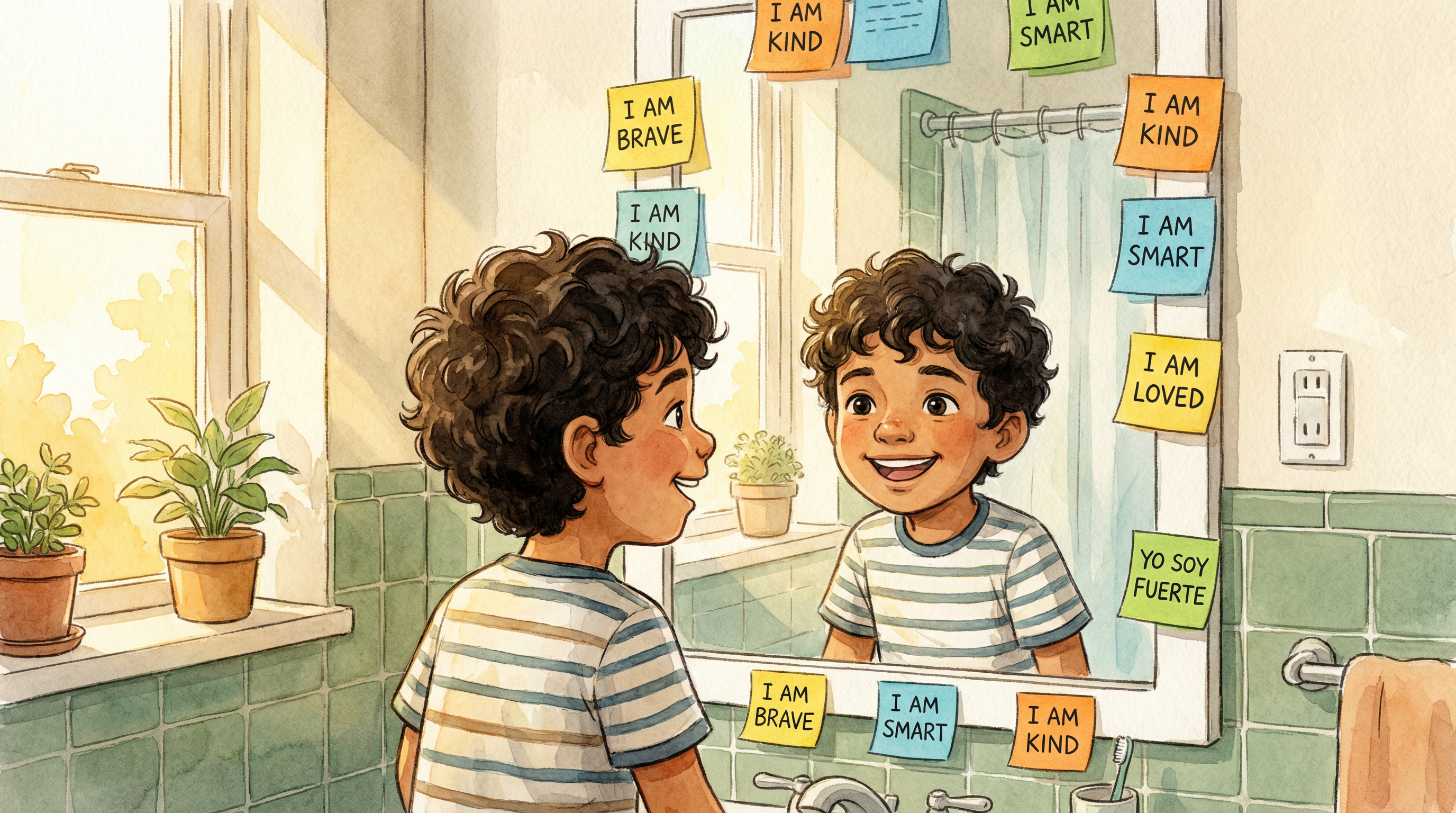

When six-year-old Maya stands in front of the mirror each morning, looks herself in the eye, and says, “I can do hard things,” she’s not just reciting some feel-good line. She’s practicing something that research suggests can shape her developing brain. But let’s get real—there’s more to the link between positive affirmations and child development than the quick tips on most parenting blogs.
The Science of Positive Affirmations for Kids
Here’s what we know: Studies in developmental psychology show that positive self-talk can boost kids’ confidence and resilience. But (and this is a big “but”) how those affirmations are worded and used matters greatly.
For young kids still figuring out what’s real and what’s make-believe, affirmations must feel doable and honest. Compare these two examples:
- “I try my best even when things are hard.”
- “I’m the best at everything.”
The first one helps kids focus on effort and builds confidence they can rely on. The second? It’s a setup for disappointment because—let’s face it—nobody’s the best at everything.
Why Affirmations Work: The Brain in Action
Between ages 3 and 7, kids’ brains are like sponges for beliefs about themselves and their abilities. This makes it a prime time for affirmations to help shape how they see themselves. When these statements align with what they’re going through, they can strengthen brain pathways tied to confidence and resilience.
Take James, an eight-year-old who was struggling with reading. When his parents tried “I am a great reader,” it felt fake to him. But when they switched to “I’m learning new words every day,” he connected with it, reflecting his real progress. That tiny tweak turned frustration into motivation.
How to Make Affirmations Work for Kids
The key to effective affirmations? Keep them focused on growth, effort, and realistic strengths. Let’s look at an example:
- Helpful: “I can learn from my mistakes.”
- Unhelpful: “I never make mistakes.”
The first one sets kids up to embrace challenges. The second one? It sets them up for anxiety because nobody can live up to it.
When and How to Use Affirmations
Timing is everything. Forcing affirmations on a frustrated or upset child doesn’t help—it might even worsen things. Instead, try weaving affirmations into the flow of their day or using them to celebrate real wins.
Say your child just spent 20 minutes practicing piano. That’s the perfect time to say, “See? I stick with things, even when they’re tough.” The affirmation feels genuine because it connects to what just happened.
Tailoring Affirmations to Your Child’s Style
Not every child will take to affirmations the same way—personalities and preferences matter. For example:
- A child who loves words might enjoy saying affirmations out loud.
- A creative child might prefer drawing pictures of their strengths.
- A hands-on learner might get more out of role-playing situations where they succeed.
It’s all about finding what feels natural for them.
Affirmations Are Just One Piece of the Puzzle
Here’s the thing: Affirmations are a great tool, but they’re not magic. What really makes them work is the emotional support and encouragement they provide. When kids hear affirmations, loving guidance, and genuine praise, they have the biggest impact.
Wrapping It Up: Keep It Real
Positive affirmations can absolutely help kids build confidence and resilience—but they need to feel authentic and fit your child’s stage of development. The real magic happens when affirmations celebrate effort, progress, and accomplishments—step by step. After all, the best affirmation you can give any child is helping them see how far they’ve come.
Have you seen the new products in CCD’s online store? We have items that are positive and affirming for children. Click here and view products that will reinforce positive affirmations for the special kids in your life. http://www.ccddelaware.com/store