Overcome Child Social Anxiety Delaware Treatment
· Anxiety · By The CCD Clinical Team · Clinically reviewed by Lisa R. Savage, LCSW
Returning to school can overwhelm children with social fears. While normal, social anxiety disorder affects around 7% of children nationwide and significantly impacts academics and social growth. Fortunately, parents can take steps to help their children during these times. Spotting the Difference: Social Anxiety vs. Normal Shyness Social anxiety disorder is more than normal shyness. […]

#image_title
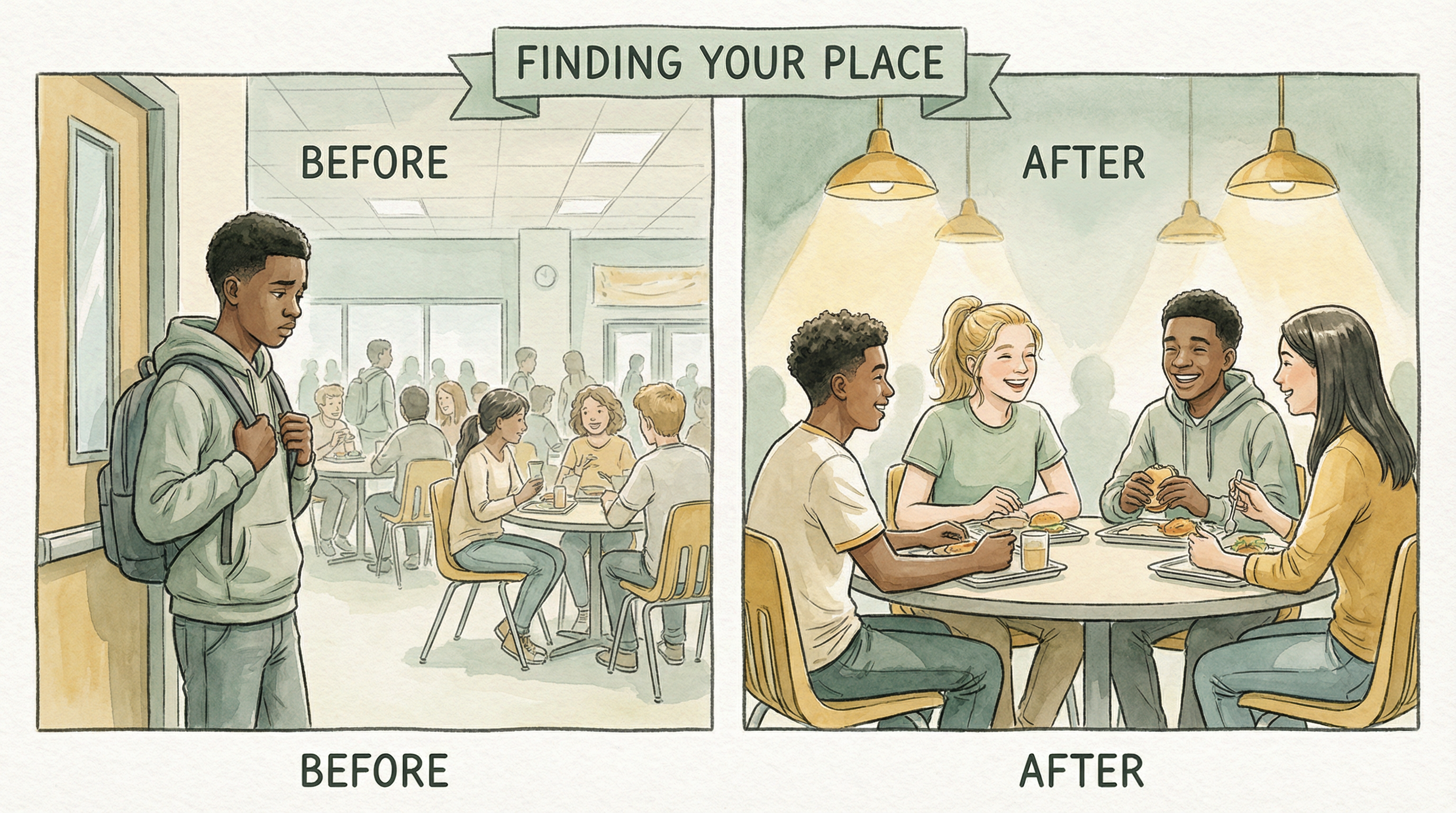
Returning to school can overwhelm children with social fears. While normal, social anxiety disorder affects around 7% of children nationwide and significantly impacts academics and social growth. Fortunately, parents can take steps to help their children during these times.
Spotting the Difference: Social Anxiety vs. Normal Shyness
Social anxiety disorder is more than normal shyness. It causes persistent fear of social situations, interfering with daily life. Children worry about judgment or rejection from their peers, which prevents them from participating in activities.
Warning Signs Parents Should Watch For
Signs of social anxiety include consistently avoiding school or social events. Children may experience physical symptoms, such as nausea, or worry about simple tasks, like asking questions. Maintaining friendships is hard, and some experience panic attacks.
In contrast, normal shyness involves temporary hesitation in new situations. Importantly, this shyness doesn’t prevent participation or cause severe emotional distress. Recognizing where your child might fall along this spectrum is an important step before deciding how to help.
Parents should consider whether fears are appropriate for the situation and whether they disrupt school, friendships, or regular activities.
Why School Environments Trigger Intense Social Anxiety
School amplifies anxiety: assignments, peer pressure, and shifting friendships can feel overwhelming. Unpredictable dynamics make social situations hard for anxious children.
Speaking in class, giving presentations, or being called on unexpectedly can trigger overwhelming anxiety responses. Meanwhile, crowded hallways, noisy cafeterias, and sensory overload intensify anxiety throughout the school day.
Without help, social anxiety can lead to academic issues, depression, or substance use later. Early intervention prevents these outcomes and teaches key coping skills.
Proven Strategies Every Delaware Parent Can Use
Building a Supportive Home Environment
Support your child by validating their feelings and acknowledging their anxiety as real and treatable. Avoid dismissive phrases, which can leave them feeling misunderstood.
Partnering with School Staff
Collaborate with teachers, counselors, and specialists before the school year begins. Discuss triggers and needed accommodations. Establish emergency plans and maintain open communication between home and school to ensure consistent support. CCD provides school-based services. Check with your Delaware school to see if we have a therapist at your child’s school.
Teaching Practical Coping Skills
Teach children coping skills such as deep breathing (inhale 4, hold 7, exhale 8), muscle relaxation, and mindfulness to help them manage their emotions.
Practicing Through Role-Play
Role-play social scenarios briefly, focusing on likely situations. Let your child control the sessions and keep the experiences positive.
Maintaining Consistent Routines
Consistent routines offer stability. Keep regular sleep, meals, and daily schedules. Avoid major changes during stressful times.
Recognizing When Professional Help Becomes Necessary
If your child avoids school for days, has panic attacks, self-harm thoughts, or major regressions, seek professional help.
Effective Professional Treatment Options
CBT is the main treatment for child social anxiety. Exposure therapy helps children face fears gradually. Social skills training builds confidence. In severe cases, medication may help.
Creating Long-Term Success for Your Child
Recovery takes patience and small steps. Celebrate progress and utilize your child’s strengths to foster safe and positive social experiences.
Building social confidence takes time. Each child improves at their own pace, from weeks to months. Keep communication open to adjust support as needed.
Setbacks are normal. Stressful times may heighten anxiety, but these lapses offer chances to practice new coping skills.
Getting Professional Help in Delaware
With the right support, children can manage anxiety and succeed in school. Treatment improves confidence, relationships, and academics.
If you’re concerned about your child’s anxiety or its impact on daily functioning, speak with your pediatrician immediately. A licensed mental health professional with expertise in childhood anxiety can provide comprehensive evaluation and treatment recommendations.
Take the first step toward your child’s brighter future. Contact CCD Delaware today to schedule a confidential consultation. Let our expert team guide your family on the path to confidence and success.
—
Ready to support your child? Visit www.ccddelaware.com or call us now to schedule your consultation with our expert team and begin your child’s journey to overcoming social anxiety.