Play Therapy in Delaware: Helping Kids Heal
· Early Childhood · By The CCD Clinical Team · Clinically reviewed by Lisa R. Savage, LCSW
When children face emotional or behavioral struggles, it can be challenging for them to find the right words to express their feelings. Play therapy in Delaware offers children the opportunity to process emotions through play, their most natural form of communication. At The Center for Child Development, our licensed therapists utilize play to help children […]
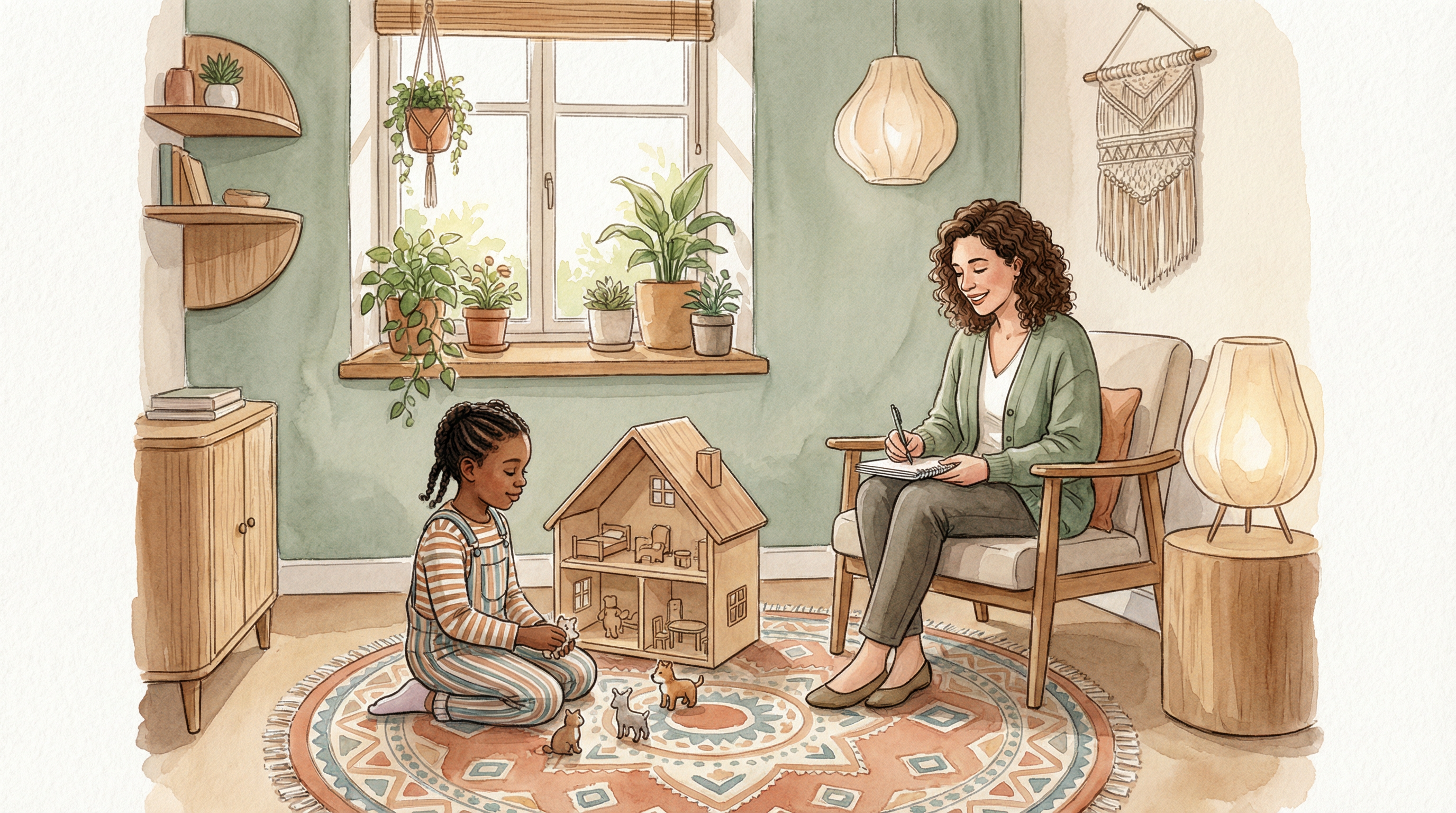

When children face emotional or behavioral struggles, it can be challenging for them to find the right words to express their feelings. Play therapy in Delaware offers children the opportunity to process emotions through play, their most natural form of communication.
At The Center for Child Development, our licensed therapists utilize play to help children develop healthier coping skills, manage challenging emotions, and foster stronger connections with their family and peers.
What Does a Typical Play Therapy Session Look Like?
A play therapy session typically lasts between 30 and 50 minutes. During the session, the child may use toys, art supplies, games, or storytelling to explore their inner world. The therapist observes, supports, and gently guides the play toward emotional growth and problem-solving.
For parents, therapists often begin with an intake meeting to gather concerns and goals. Therapists also schedule periodic parent sessions to discuss progress and suggest strategies for supporting the child at home.
Who Is Eligible for Play Therapy?
Play therapy is widely effective for children between the ages of 3 and 12, and it can be adapted for older children and teens. However, it may not be the best fit for:
- Children with severe developmental delays who cannot engage in symbolic play
- Children who need immediate crisis intervention for safety concerns
- Children who are already responding well to other therapeutic methods
In such cases, your therapist may recommend alternative or complementary approaches.
How Long Does It Take to See Results?
Every child is unique, and progress depends on the nature of the concern, the child’s personality, and the level of family involvement. Some families notice changes after a few sessions, while others may see gradual improvements over several months.
On average, children benefit most when they attend weekly sessions for at least 12 to 20 weeks. Consistency and open communication between the therapist and parents play a crucial role in achieving positive outcomes.
How Are Parents Involved in Play Therapy?
Parents are essential partners in the process. While the playroom is a safe, private space for the child, therapists keep parents engaged through:
- Regular progress updates
- Coaching on parenting strategies
- Suggestions for reinforcing coping skills at home
- Collaborative planning around goals and expectations
This shared involvement ensures that children feel supported not only in therapy but also in daily life.
Why Play Therapy Works
Play therapy is powerful because it meets children where they are developmentally. Instead of asking them to talk about what feels overwhelming, it lets them “show” their feelings through play. This process reduces anxiety, encourages self-expression, and helps children build the skills they need to thrive.
Get Your Child Connected Today
Looking for play therapy in Delaware? The Center for Child Development can help your child and family grow.