Teen Self-Injury: What Parents Need to Know
· Mental Health · By The CCD Clinical Team · Clinically reviewed by Lisa R. Savage, LCSW
Learning your teen is self-injuring can be confusing and frightening. You may wonder why it’s happening, if your child wants to end their life, or if you missed signs. These reactions are common. Many parents feel lost or blame themselves when they discover their child is engaging in self-injury. While it may be difficult, […]

Sad Teen
Learning your teen is self-injuring can be confusing and frightening. You may wonder why it’s happening, if your child wants to end their life, or if you missed signs. These reactions are common. Many parents feel lost or blame themselves when they discover their child is engaging in self-injury. While it may be difficult, understanding the issue is the first step. We’ll look at why self-injury happens, how it differs from suicidal thoughts, and how you can support your teen.
Let’s start by understanding what self-injury is and how it differs from other serious concerns parents may have.
Self-injury, or Non-Suicidal Self-Injury (NSSI), is when someone deliberately harms their body without wanting to die. This distinction is often missed, causing extra worry. Teens may cut, burn, scratch, hit themselves, or pick at wounds. While upsetting, these actions often help them cope with emotional pain.
Why do teens self-injure? It’s rarely about seeking attention. Instead, it’s a way to cope with strong emotions. Some teens feel numb and self-injure to feel something. Others are overwhelmed by anger, sadness, or anxiety and use self-injury for relief. Some do it to punish themselves or feel in control when life seems out of control. In all cases, it’s a harmful way to manage deep emotional pain.
Self-Injury vs. Suicidal Ideation: A Crucial Distinction
A big fear for parents is that self-injury means a teen is suicidal. The key difference is intent. Teens who self-injure usually want to cope or find relief, not die. Suicidal thoughts involve wanting to end life to escape pain.
Self-injury is different from suicide but still very serious. Over time, it can raise suicide risk, especially if it becomes a habit and the emotional pain grows. Parents often mix up self-injury and suicidal thoughts because behaviors can look similar. Knowing whether your teen is coping or wants to end their life helps you give the right support.
Signs Your Teen Might Be Self-Injuring
It can be challenging to recognize self-injury because teens often attempt to conceal it. You may see some physical or behavioral signs, but these do not always mean self-injury. Use these signs to start a gentle conversation and consider seeking help.
Physical Signs to Look For:
Unexplained wounds: Cuts, scratches, burns, bruises, or other marks your teen can’t explain, or blames on vague “accidents.” These are often located on parts of the body that are easy to conceal, such as wrists, forearms, thighs, or abdomen.
Concealing clothing: Your teen may always wear long sleeves or pants, even in warm weather, to hide injuries, and may avoid activities that expose skin.
Unusual objects: You might find sharp objects, razors, or lighters that your teen has without a clear reason.
Concealing clothing: Your teen may always wear long sleeves or pants, even in warm weather, to hide injuries, and may avoid activities that expose skin.
Unusual objects: You might find sharp objects, razors, or lighters that your teen has without a clear reason.
Emotional and Behavioral Signs:
**Increased Isolation:** A noticeable withdrawal from family and friends, spending more time alone.
**Mood Swings:** Significant changes in mood, including increased irritability, sadness, or anger.
Habit changes: Sleep or appetite may noticeably increase or decrease.
**Low Self-Esteem:** Expressions of worthlessness, hopelessness, or self-hatred.
Difficulty coping: Everyday stressors may overwhelm your teen, leading to outbursts or extreme reactions.
**Emotional Numbness:** Describing feelings of emptiness or a lack of emotion.
**Mood Swings:** Significant changes in mood, including increased irritability, sadness, or anger.
Habit changes: Sleep or appetite may noticeably increase or decrease.
**Low Self-Esteem:** Expressions of worthlessness, hopelessness, or self-hatred.
Difficulty coping: Everyday stressors may overwhelm your teen, leading to outbursts or extreme reactions.
**Emotional Numbness:** Describing feelings of emptiness or a lack of emotion.
What Parents Can Do: A Guide to Support and Action
Learning your teen is self-injuring is upsetting, but your response matters. Show empathy, not anger. Remember, your teen is hurting and struggling to cope.
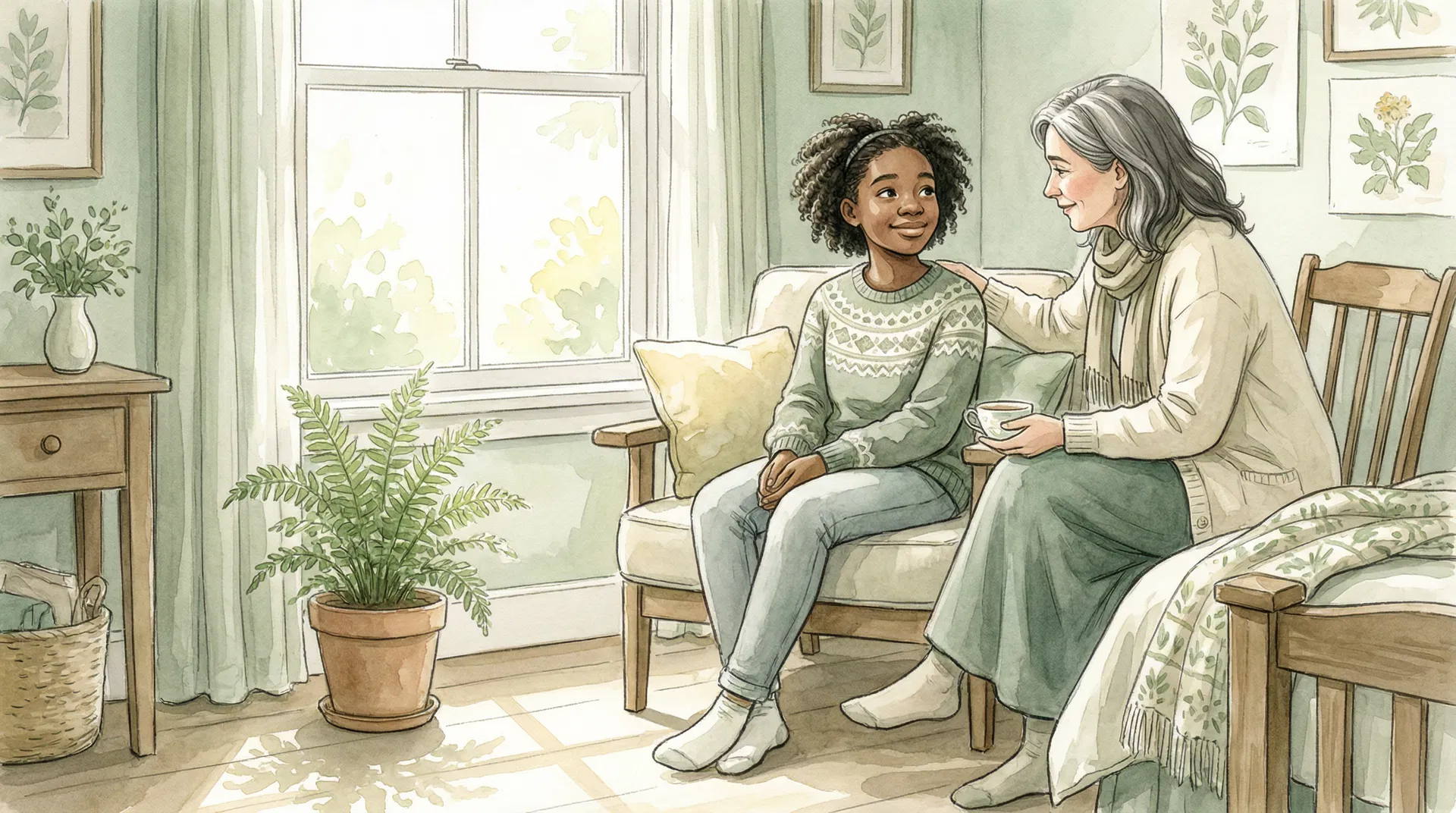
When discussing self-injury, be understanding rather than judgmental. Stay calm. Your first reaction counts. Show care and a desire to help. Listen, and let your teen know that their pain is real, even if you don’t fully understand it.
Start conversations gently, perhaps while doing an activity or during quiet time. Talk about how your teen feels, not just about the self-injury. Let them know you’re there for them and will work through this together. Being open and honest builds trust, which is crucial for healing.
Seek professional help if your teen is self-injuring; it often signals deeper issues. Therapists can teach healthier coping skills. Family therapy can enhance communication and provide support during this challenging time.
Educate yourself: Learning about self-injury helps you support your teen. Recovery takes time. Knowledge lets you make your home safer by removing things your teen could use for self-injury. Create a space where your teen feels comfortable talking and learning to cope in new ways. Encourage healthy activities such as exercise, art, or spending time outdoors.
Take the First Step: Reach Out for Support
If your teen is self-injuring, remember you’re not alone. Professional help provides your teen and family with the tools to heal. Taking the first step may be hard, but it is powerful.
We understand that this is a challenging time for families. At CCD Delaware, we offer guidance to teens and families affected by self-injury. Our team helps you understand the issues, learn coping skills, and create a supportive space for healing. Please reach out.
Contact CCD Delaware today for expert guidance: [www.ccddelaware.com](http://www.ccddelaware.com)
Teen self-injury is complex and often mistaken for a suicide attempt. Most often, it is a way to manage intense pain, not a wish to die. Noticing the signs and responding with understanding, open conversations, and professional help is important. You’re not alone. With support and patience, your teen can find healthier coping methods and begin to heal.